Overview
The Library Project is one of FECY Foundation’s most visionary educational initiatives — a mission to create safe, inspiring, and resourceful spaces where children and youths can access knowledge freely.
In many of the communities FECY serves, schools either have poorly equipped libraries or none at all. Students who wish to study outside school hours often lack access to books, quiet spaces, or learning materials.
The Library Project was born out of the desire to change this reality — to build and equip mini-libraries that bring books closer to children, promote reading culture, and ignite curiosity.
At its heart, this project is about opening minds and expanding possibilities. We believe that a book in a child’s hand is a bridge to a brighter future.
Purpose
The Library Project was established to:
- Promote a culture of reading and lifelong learning among children and youths.
- Provide access to educational resources in communities where libraries are scarce or nonexistent.
- Encourage research, imagination, and creativity through books and mentorship.
- Create safe, quiet learning spaces that support academic focus and personal growth.
For FECY Foundation, a library is more than a room of books — it’s a space of hope, discipline, and self-discovery.
What We Do
- Community and School Assessments: FECY identifies schools and communities in need of learning resources through surveys and partnerships with local educators.
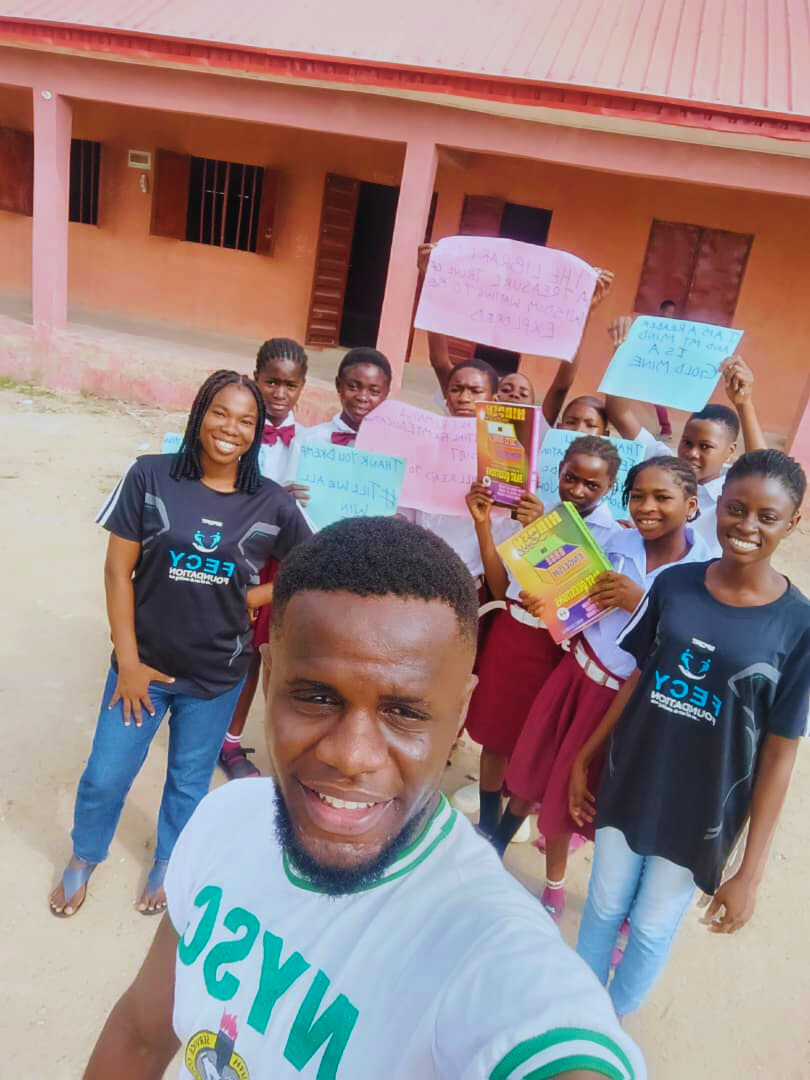
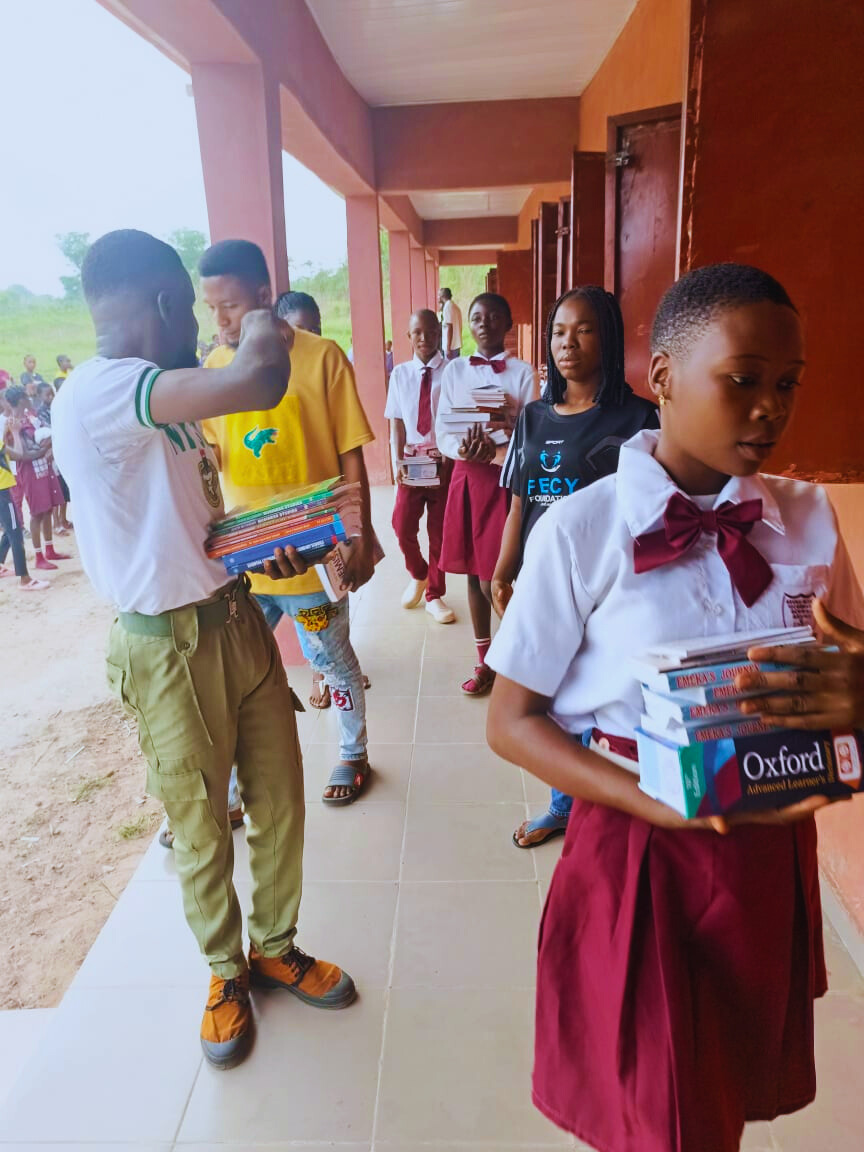
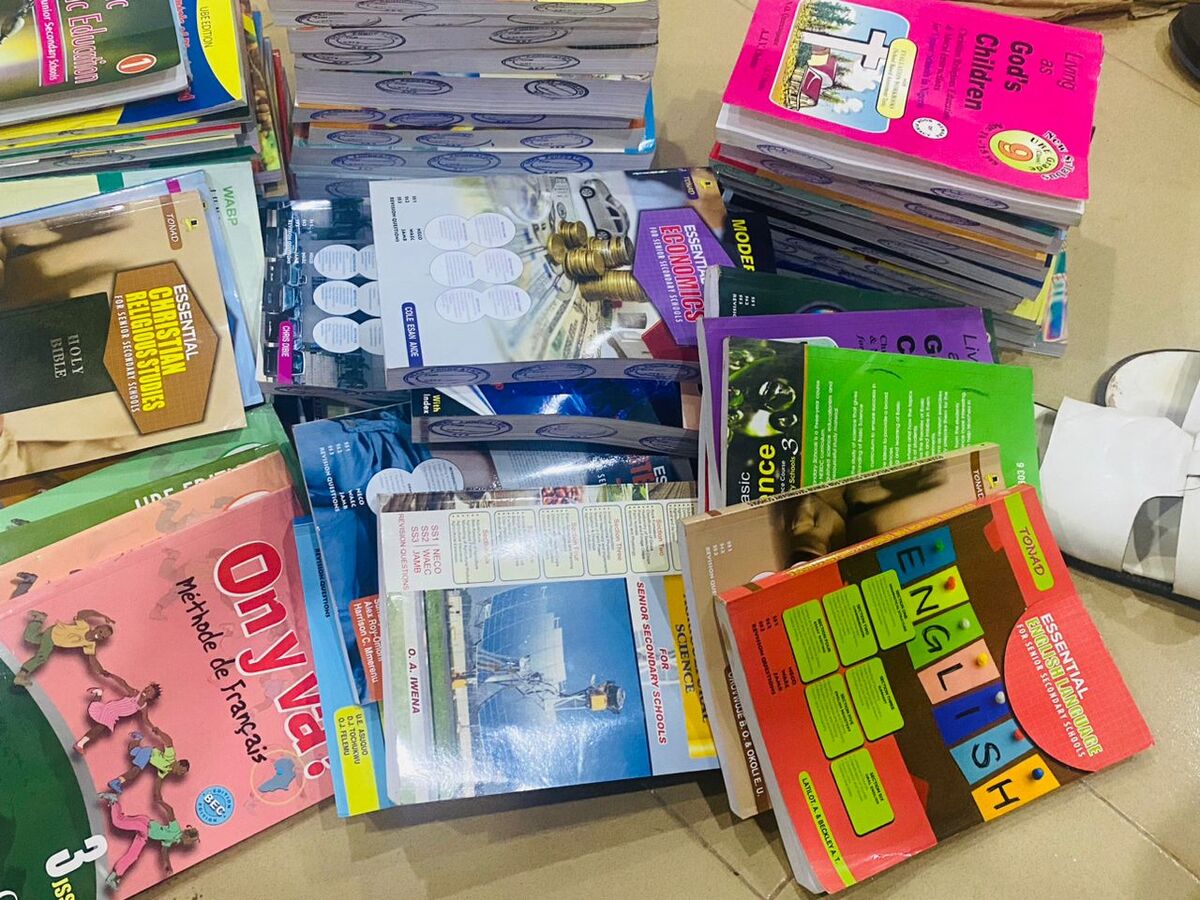
- Book Collection and Donations: Members and volunteers organize book drives — collecting new and gently used textbooks, storybooks, and educational materials from individuals, publishers, and donors.
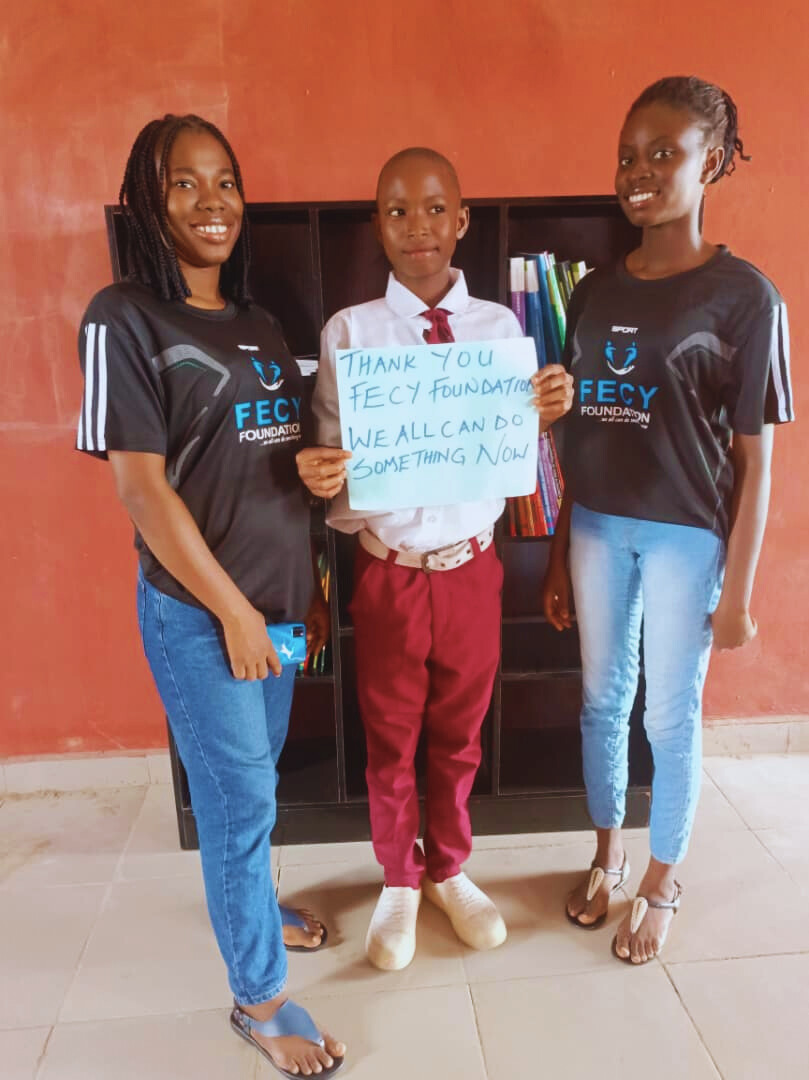
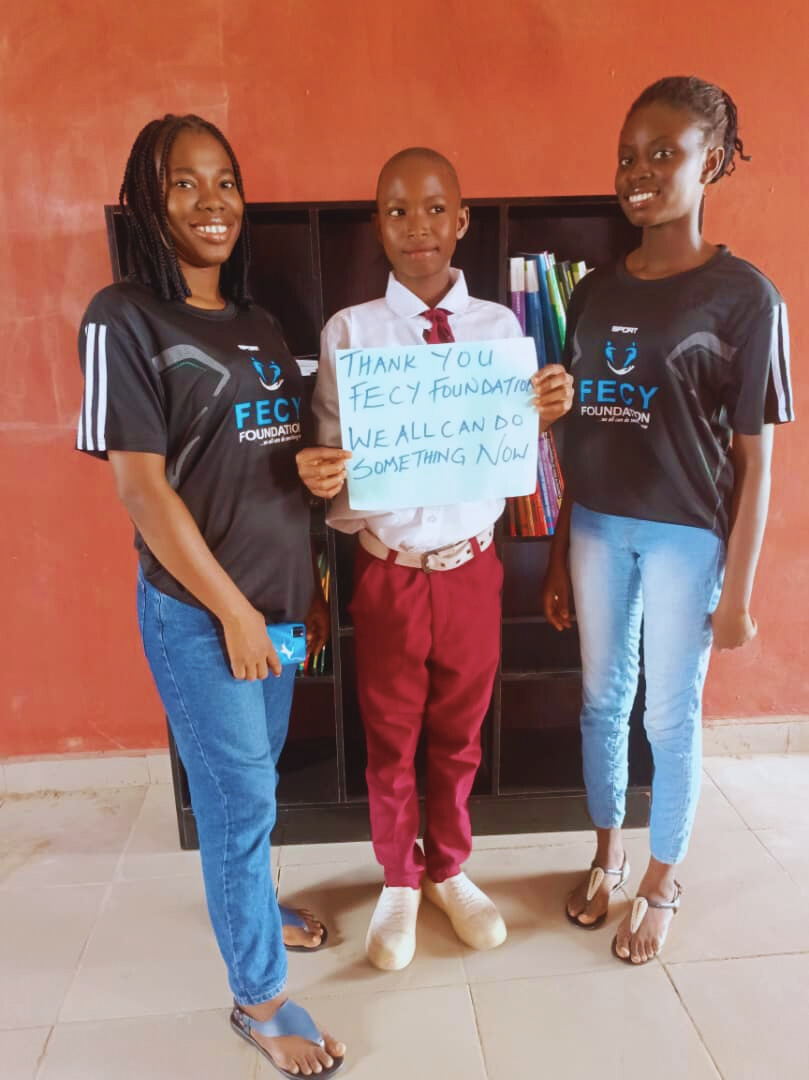
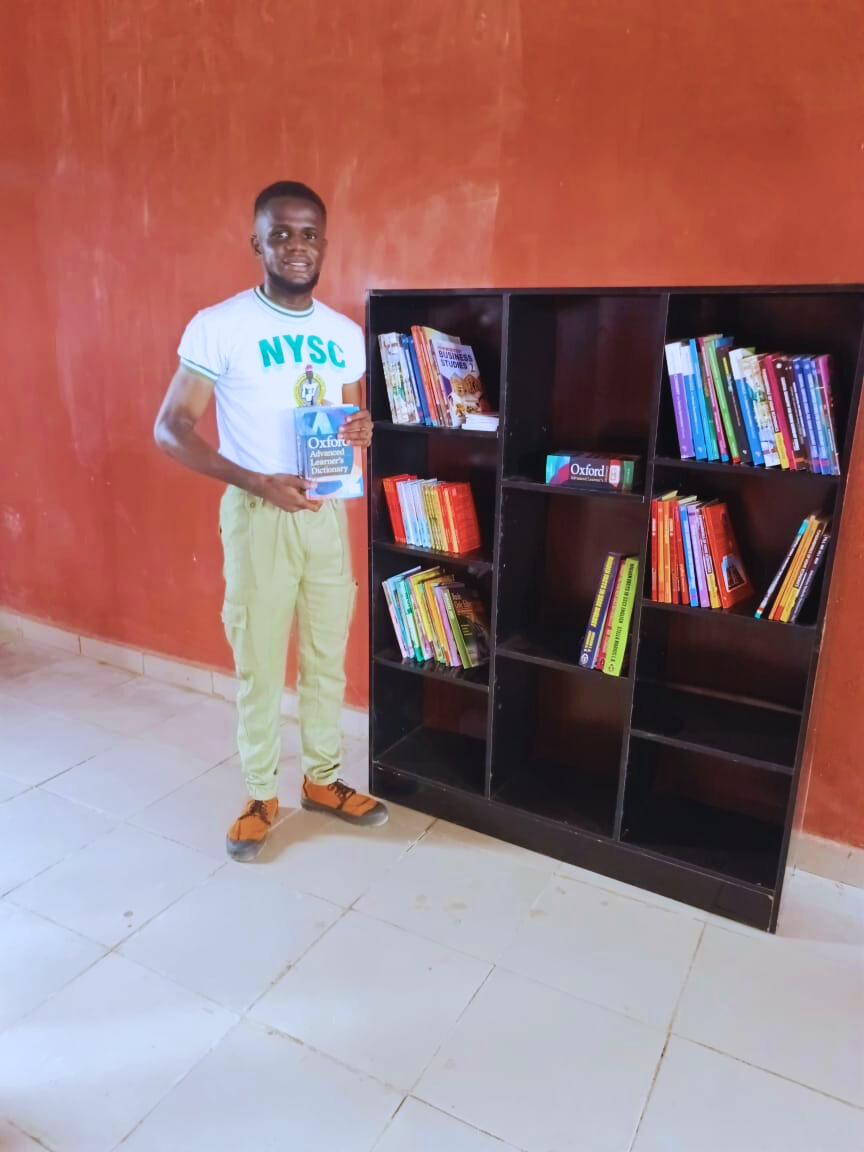
- Library Setup and Equipping: Depending on available resources, FECY either: Builds mini-libraries in community centers or school compounds or Renovates and equips existing school libraries with shelves, chairs, tables, and books.
- Reading Clubs and Mentorship Sessions: Once a library is established, FECY introduces Reading Clubs, where volunteers mentor students through reading challenges, book reviews, and storytelling sessions — making learning engaging and fun.
- Ongoing Support and Expansion: The Foundation maintains contact with beneficiary schools, restocking books as needed and encouraging community participation in library management.
Impact
The Library Project has already begun transforming learning experiences in target communities:
- Hundreds of students now have access to textbooks, storybooks, and reference materials they never had before.
- Teachers use the libraries as additional resources for lesson planning and classwork.
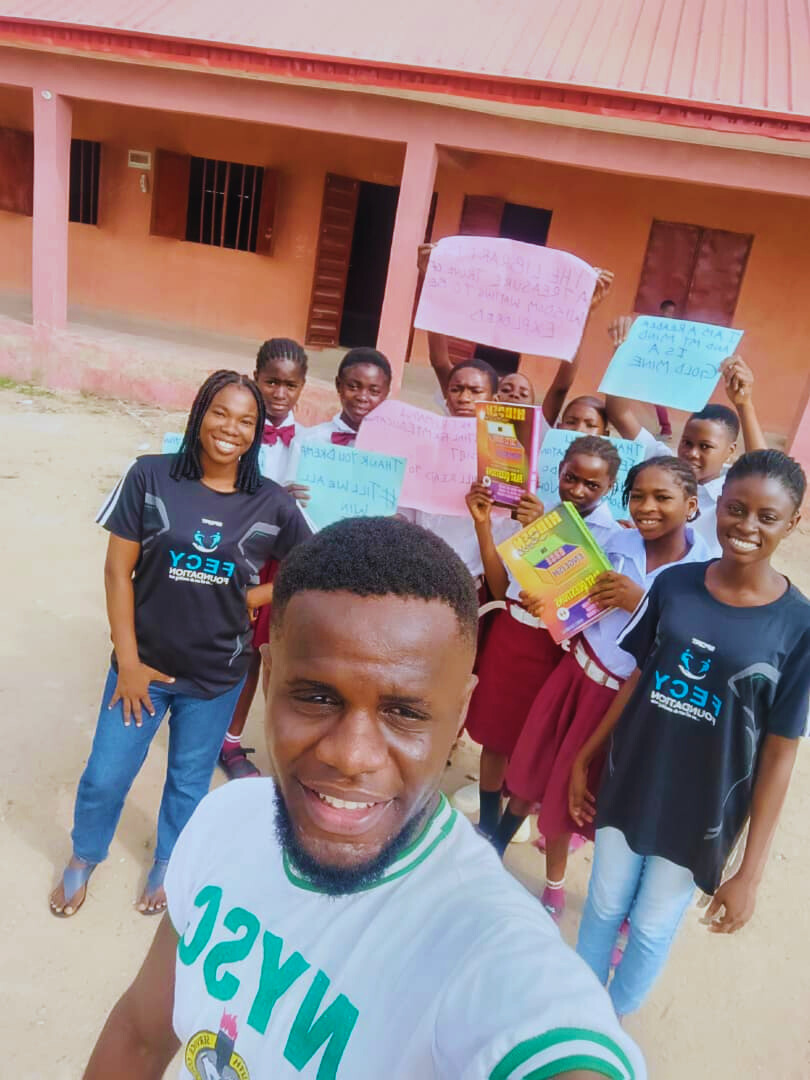
- Children have developed a renewed love for reading and learning.
- Schools report improved academic performance and student engagement.
In one community, a teacher shared that before FECY’s intervention, most pupils had never entered a library — now, they read daily with excitement and pride.
“We gave them books, but what we really gave them was the confidence to dream.”
Sustainability
The Library Project is sustained through:
- Book drives organized by volunteers and partner schools.
- Donations from individuals, publishers, and educational organizations.
- Partnerships with community leaders and teachers who help maintain the libraries.
- Volunteer reading mentors who visit periodically to host reading sessions.
Each new library is designed to be community-owned — encouraging locals to take responsibility for its upkeep and growth.
Looking Ahead
FECY Foundation’s long-term goal is to establish at least one functional library in every state of Nigeria, focusing on underserved schools and rural communities.
Plans include:
- Creating Mobile Library Units — vans equipped with books to reach remote areas.
- Launching a “Book for Every Child” campaign, encouraging citizens to donate one book per year.
- Partnering with educational institutions to digitize learning materials for easier access.
Through the Library Project, FECY Foundation continues to light up minds and open doors — one book, one reader, one community at a time.
“When you give a child a book, you give them the courage to imagine — and the wisdom to build.”