Festive Feeding Project (Easter & Christmas Food Outreach)
Overview
The Festive Feeding Project is one of FECY Foundation’s most heartfelt hunger-alleviation initiatives — created to ensure that vulnerable families and individuals are not left out during the seasons of love, joy, and celebration. Festive periods like Easter and Christmas often place emotional and financial pressure on low-income households who struggle to provide even basic meals.
FECY Foundation understands that food is more than nourishment — it is connection, dignity, and belonging. Through this project, the foundation distributes cooked meals, food packages, and care items during Easter and Christmas, ensuring that vulnerable communities experience the joy, hope, and warmth of the season.
Purpose
The Festive Feeding Project was designed to:
- Spread joy and hope to families who may be unable to celebrate during festive seasons.
- Provide nutritious meals and food packs to those facing hunger and economic hardship.
- Strengthen community bonds by encouraging people to share love and kindness.
- Support vulnerable groups such as widows, children, the elderly, and hospital patients.
This project reflects FECY’s belief that everyone deserves to feel remembered, valued, and celebrated — especially during festive seasons.
What We Do
- Identify Vulnerable Families and Communities
FECY partners with local leaders, hospitals, volunteers, and community networks to identify households and individuals most in need of festive support. - Prepare and Distribute Cooked Meals
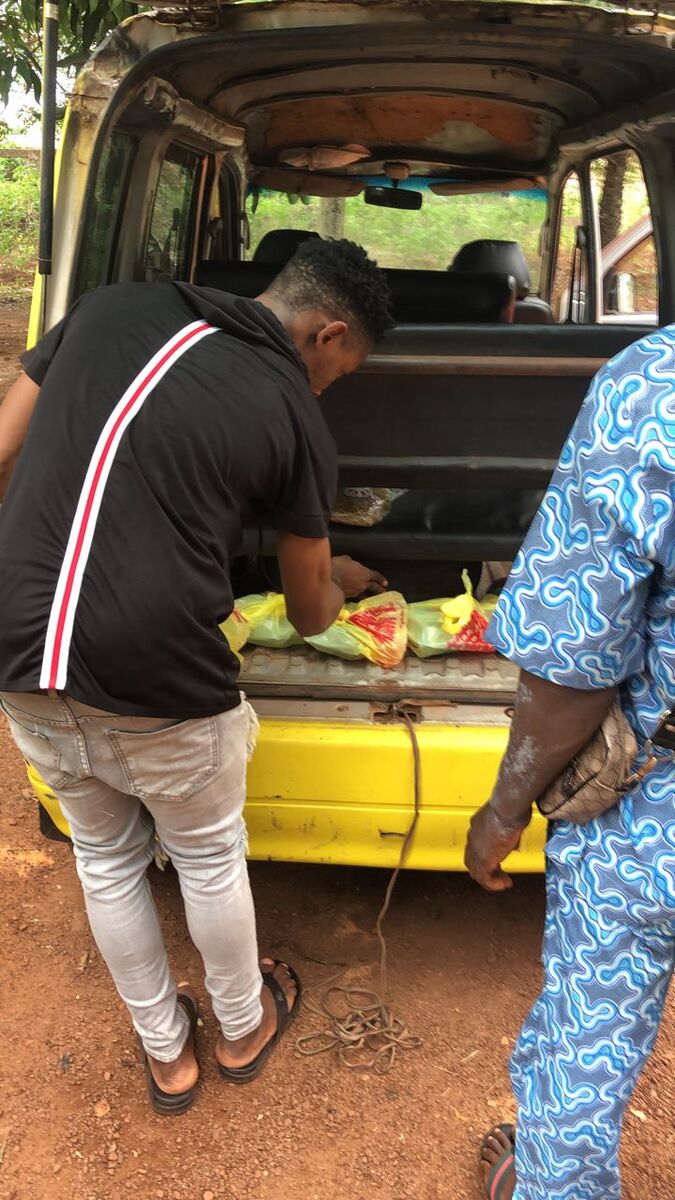
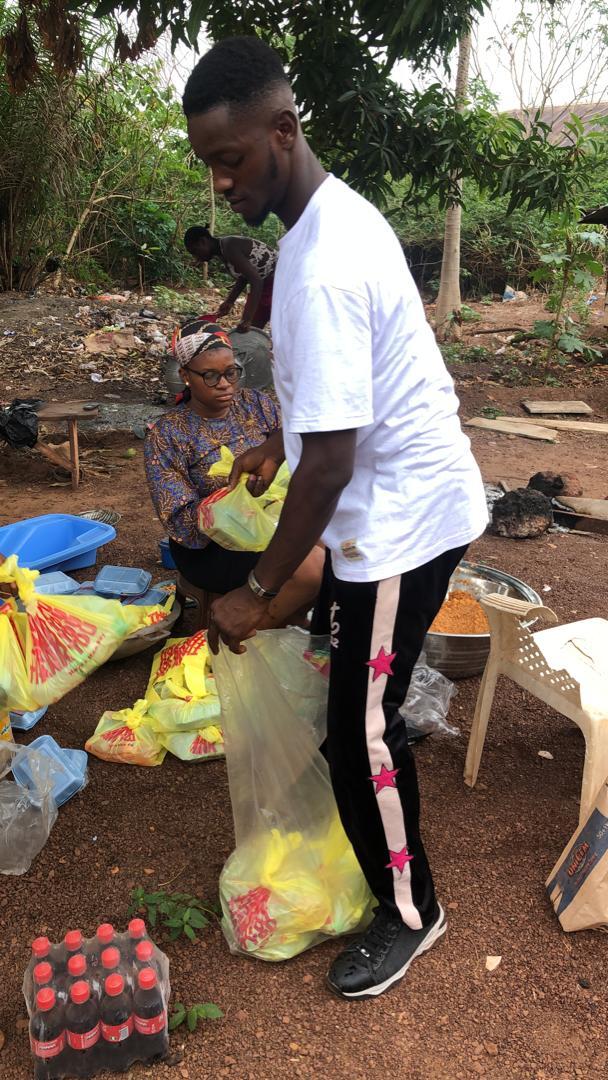
Volunteers prepare or purchase meals and distribute them directly in streets, markets, community centers, and hospitals — ensuring that no one is left out. - Provide Festive Food Packs
Raw food items such as rice, beans, oil, semo, canned foods, and spices are packaged and shared with families so they can celebrate with dignity at home. - Hospital and Street Feeding Outreach
FECY conducts special visits to hospitals, especially Mother & Child wards, and organizes street feeding exercises such as Osita’s Christmas Street Feeding in Onitsha. - Engage Communities in Festive Giving
Students, families, and volunteers join to share meals, sing carols, pray, and create moments of joy — reinforcing the spirit of unity and compassion.
Impact
The Festive Feeding Project has created meaningful, lasting memories for thousands of beneficiaries:
✅ Provided festive meals and food packs to families, children, the elderly, and hospital patients.
✅ Restored joy and hope for households that would have gone through the season in hunger.
✅ Strengthened community solidarity by encouraging shared giving and volunteerism.
A grateful mother once said,
"We had nothing for Christmas, but FECY made sure my children smiled. We will never forget it."
Sustainability
The project is sustained through:
- Donations of food items, cash support, and festive contributions from partners and members.
- Volunteer-driven efforts in meal preparation and distribution.
- Partnerships with caterers, hospitals, and community leaders.
- Annual fundraising campaigns for Easter and Christmas outreach.
FECY also encourages sponsors to support “Festive Family Packs” — boxes of food items given directly to households.
Looking Ahead
FECY Foundation plans to scale the Festive Feeding Project by:
- Reaching more communities across different states during Easter and Christmas.
- Introducing traveling festive outreach teams to support remote locations.
- Establishing “Festive Food Banks” to prepare for seasonal demand.
- Partnering with supermarkets, food producers, and faith groups for large-scale donations.
Through this initiative, FECY continues to prove that festive joy is a gift everyone deserves — especially those with the least.
"A warm meal during the holidays can restore hope, dignity, and the belief that someone cares."